Learn about Article
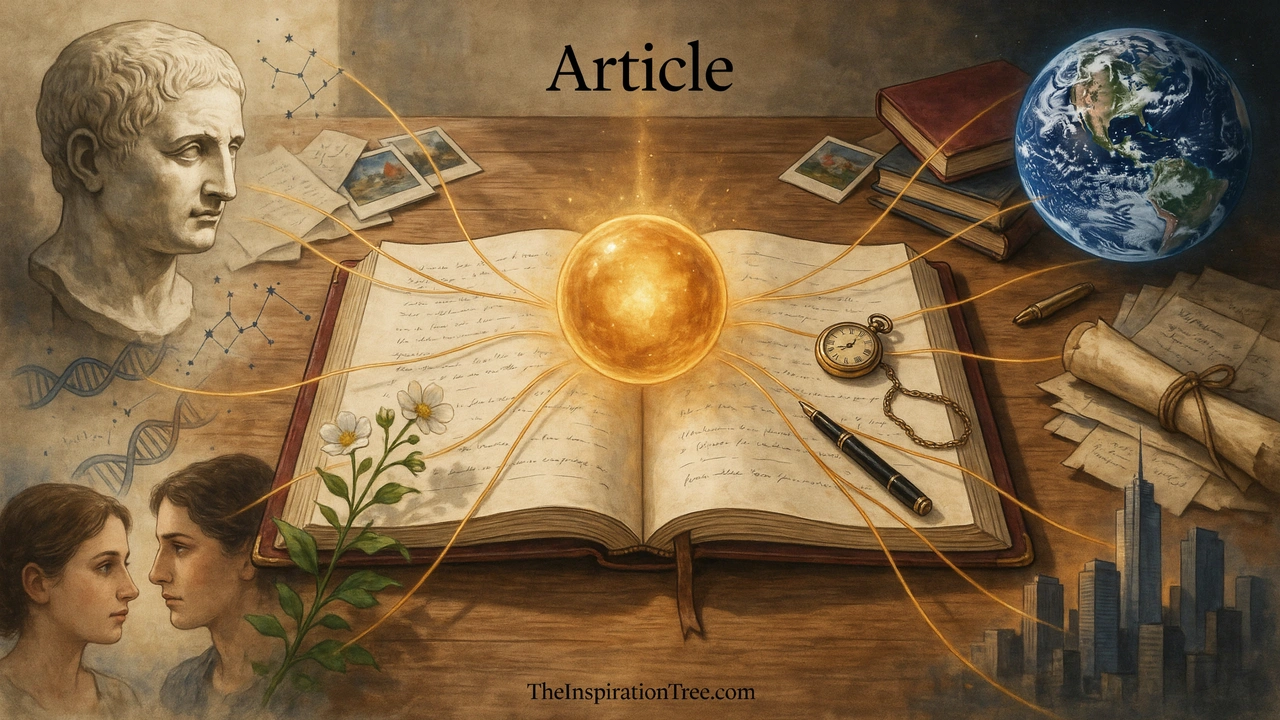
An Article Seed uses nonfiction writing to explore, explain, examine, question, or argue an idea. Where Fiction Seeds primarily tell an invented story, Article Seeds engage more directly with subjects, information, experiences, opinions, and questions from the real world.
Article Seeds can include essays, opinion pieces, commentary, analysis, explainers, personal essays, cultural criticism, philosophical explorations, historical articles, scientific or technological discussions, educational pieces, reviews, profiles, investigative writing, and other forms of substantive nonfiction. They can be carefully researched or primarily reflective, depending on the subject and purpose.
An Article Seed does not have to be academic or formal. A contributor might examine whether artificial intelligence could change how humans think, explore what different cultures have said about the meaning of life, explain a scientific development, argue a controversial position, reflect on a personal experience, or simply take an idea that fascinates them and explore it more deeply.
What separates an Article Seed from an ordinary discussion comment is development and substance. It should present enough information, reasoning, experience, or perspective to stand as a work of its own. When factual claims or research are important to the article, contributors should identify credible sources so readers can explore the subject further.
Article Seeds can be Original Seeds or inspired Child Seeds. An article might investigate whether the premise of a What If Seed is actually possible, analyze an idea raised by a Fiction Seed, respond to an artwork, expand a substantial discussion contribution, challenge another contributor’s argument, or approach an existing Seed from an entirely different perspective.
Articles can also inspire almost anything in return. A philosophical essay might inspire a short story. A scientific article could inspire an illustration or speculative video. An opinion piece might generate a counterargument, while one sentence buried in an article could give another contributor an entirely unrelated creative idea.
The purpose of an Article Seed is to give an idea room to be explored. It can inform, question, persuade, challenge, explain, or simply make someone think, and perhaps give the next person something worth creating from.