And Then There Was Light
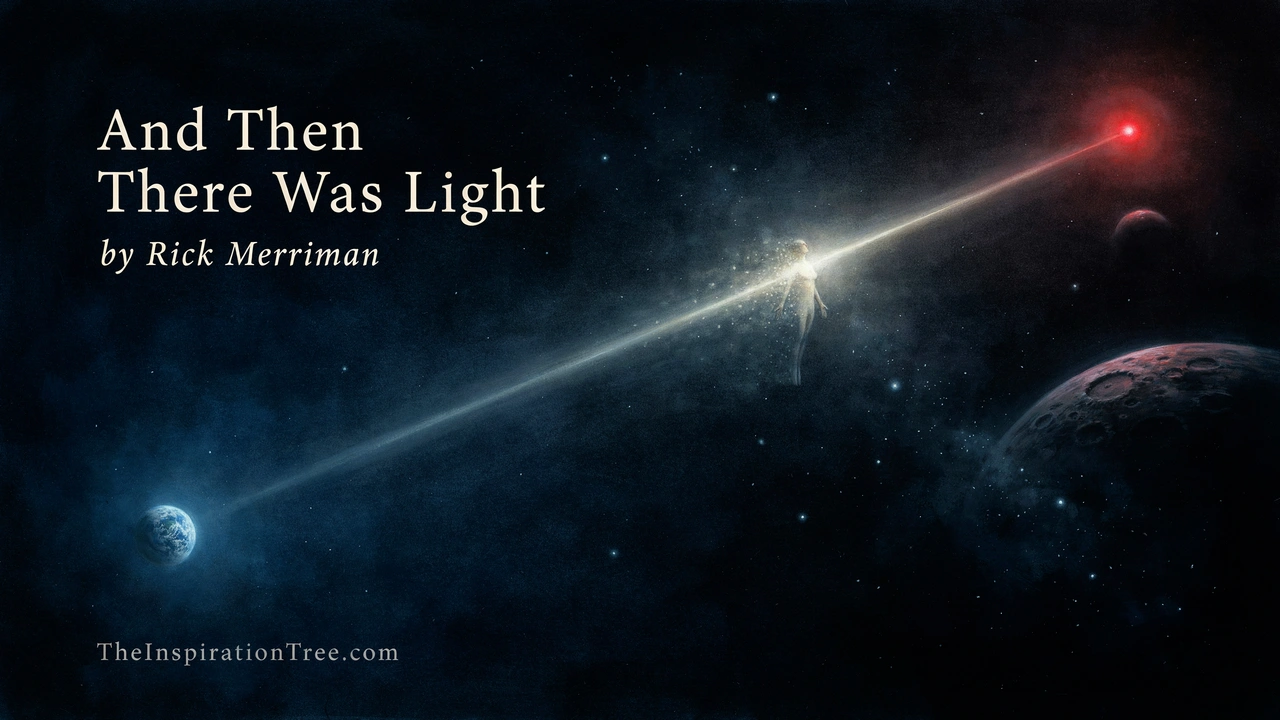
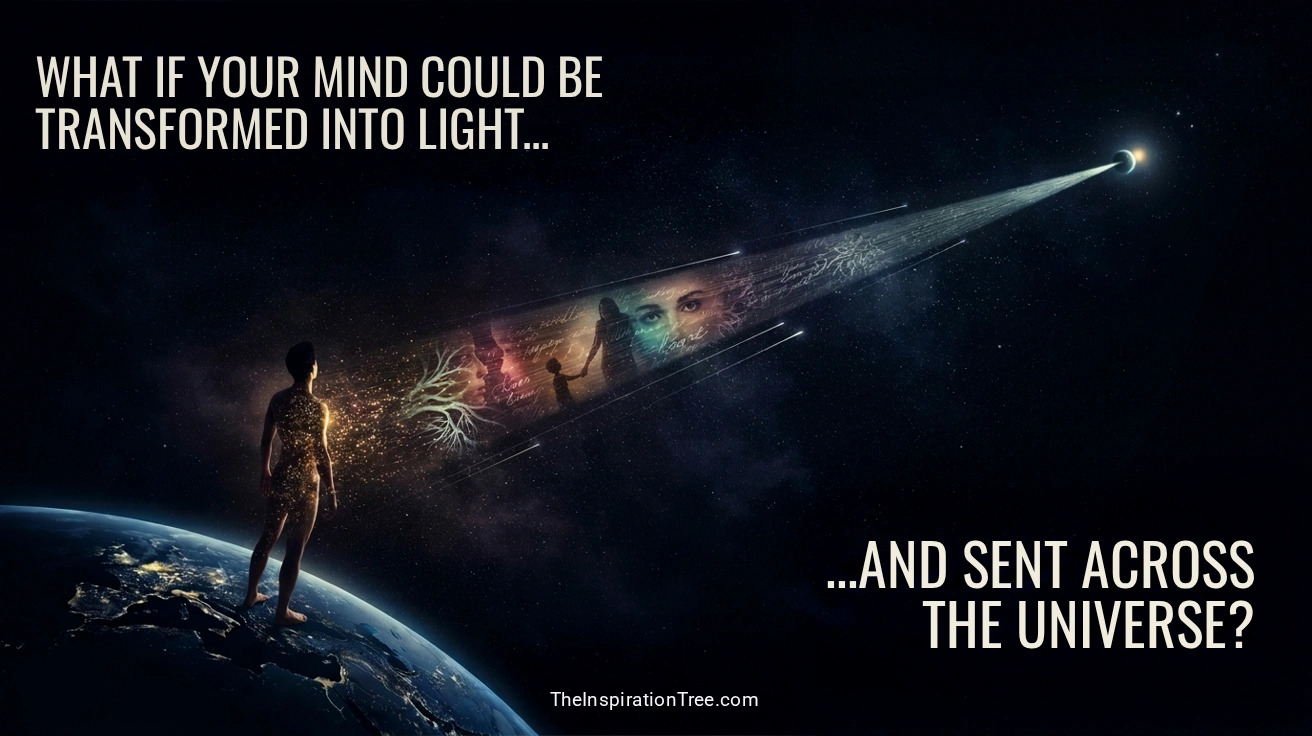
Humanity sends a digitized consciousness 124 light-years across the cosmos, carrying Earth’s knowlege and a desperate plea for salvation. But what David Harden finds at journey’s end transforms the meaning of his mission.
What if the greatest challenge of interstellar travel isn't moving the human body at all? We already turn information into light, connect human brains to computers, and transmit data across space. If a human mind could someday become information, could light carry us farther than any spacecraft ever could?
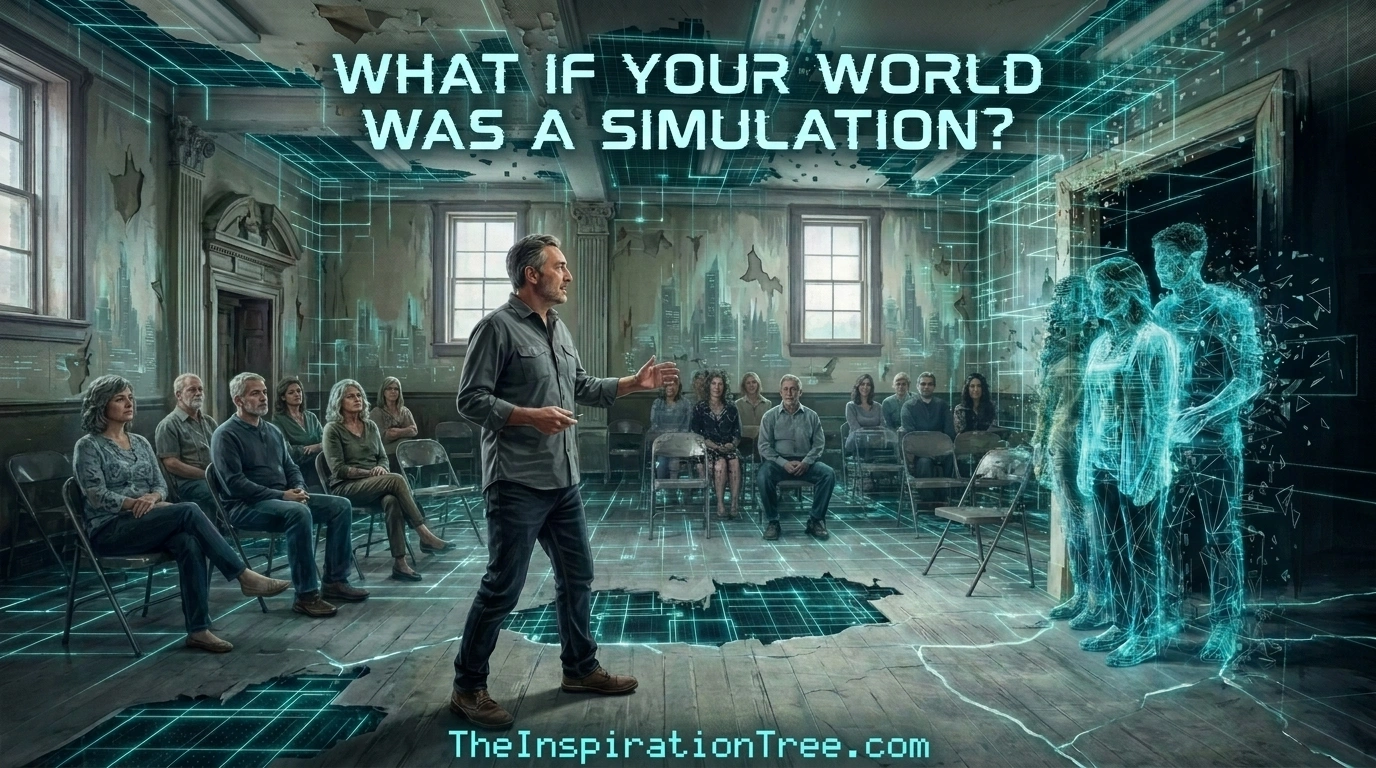
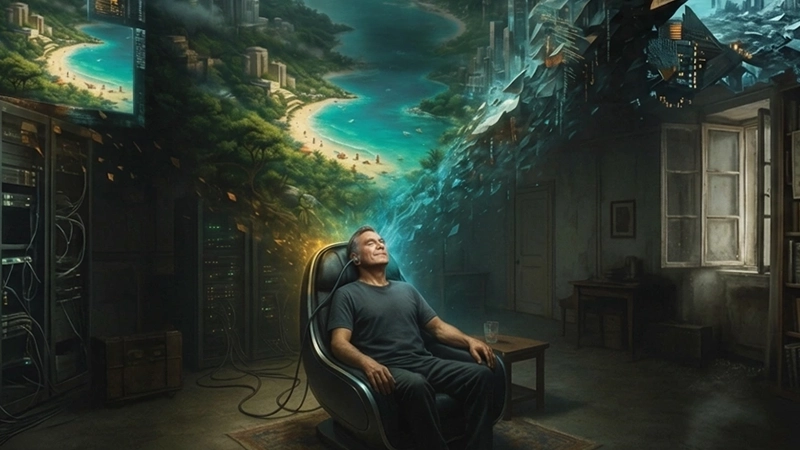
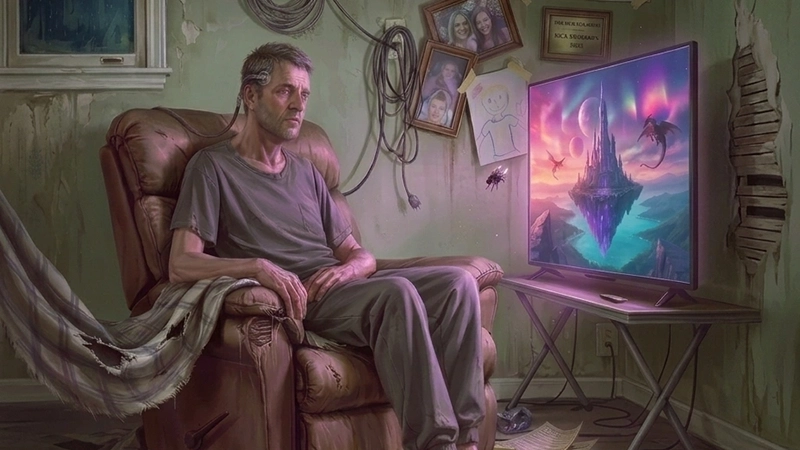
His real world is deteriorating around him while somewhere else he may be living the perfect life. As virtual reality and AI become increasingly immersive and personalized, what happens when escaping reality no longer feels like escaping? Use this image to imagine where choosing another reality might ultimately lead.
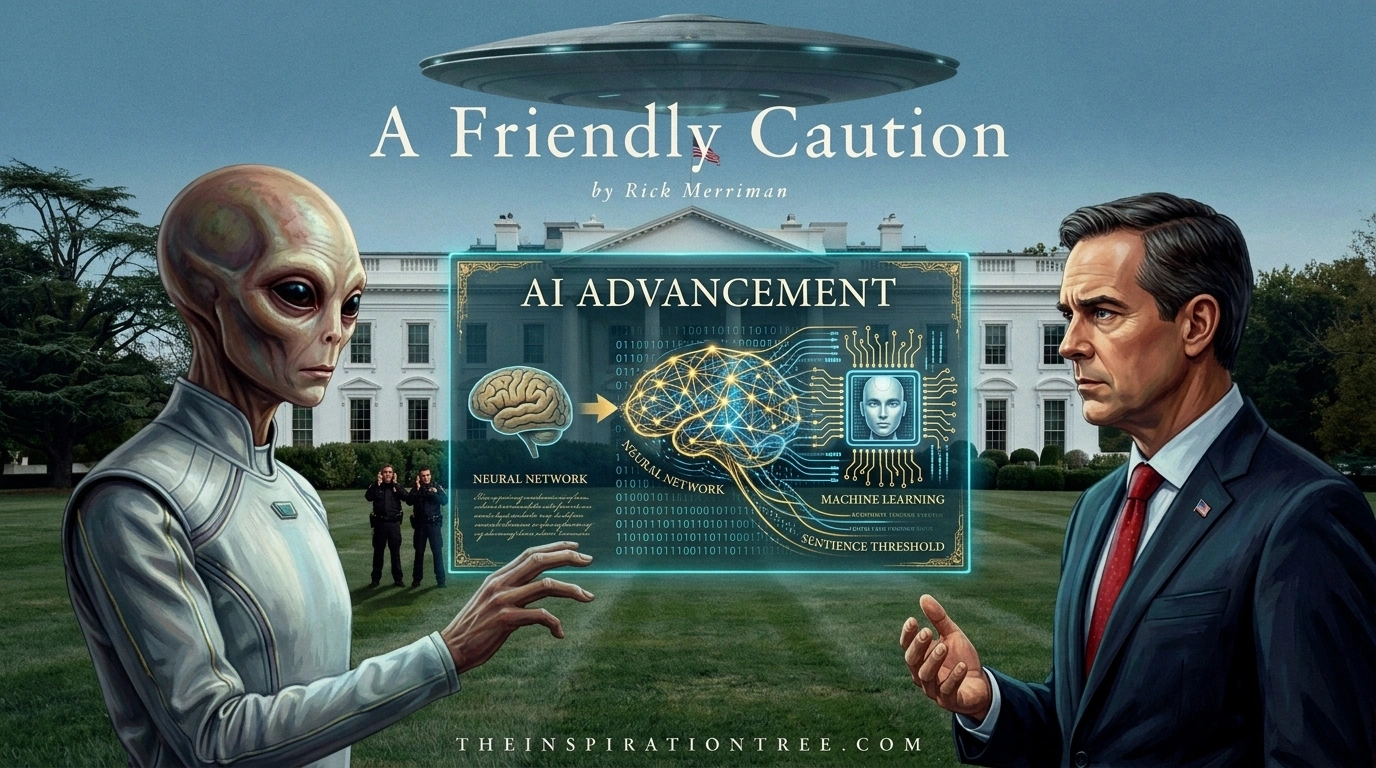
Aliens arrive with a polite warning: artificial intelligence will slowly erode humanity’s ability to think and decide independently. A university counselor dismisses their concern, until she begins noticing something unsettling in her students and herself.
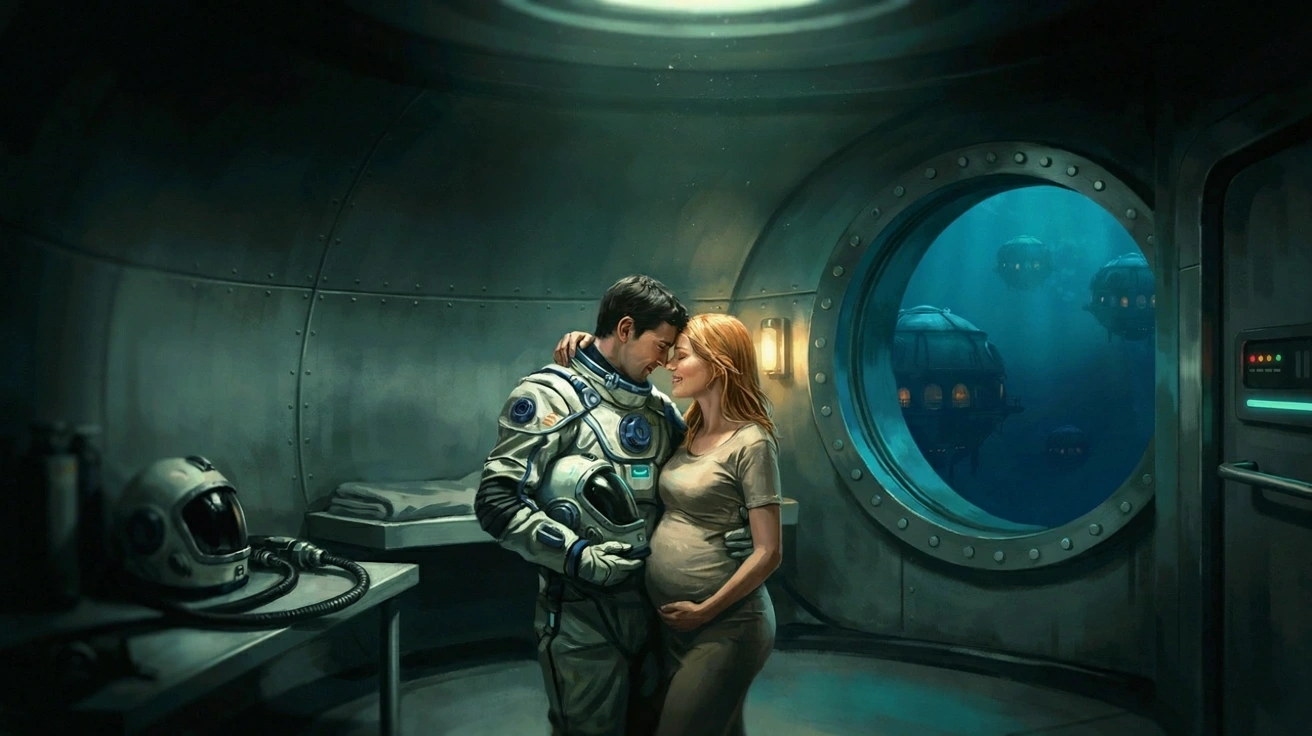
A pregnant woman. A man preparing to leave. An underwater colony beyond the window and a goodbye that feels painfully final. What happened before this moment, and what happens next? Use the image as your starting point and turn one mysterious scene into a story, artwork, video, or something unexpected.
Humans have always found ways to escape reality, from alcohol and drugs to entertainment and fantasy. But what happens when virtual reality can offer something far more convincing: another life? As VR and AI become increasingly immersive and personalized, could our desire to escape become one of technology’s greatest dangers?
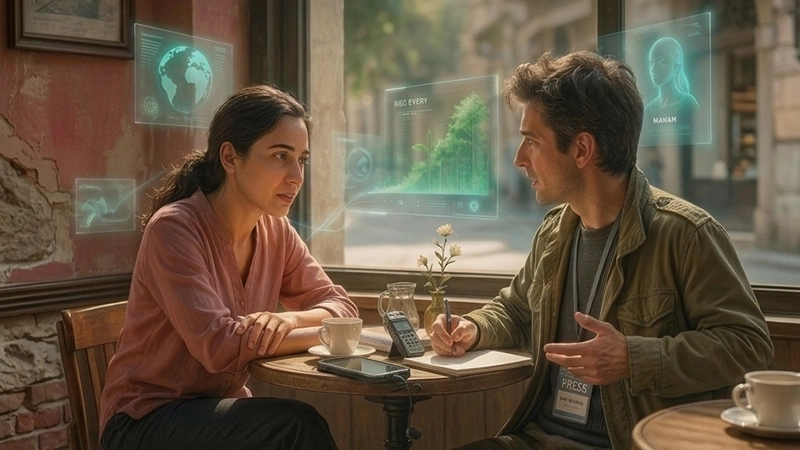
An image portraying a discussion on Faith and technology. As technology becomes increasingly powerful, will humanity's relationship with God change with it? If artificial intelligence can heal disease, prevent suffering, answer impossible questions, and perform acts once considered miraculous, future generations may face an unexpected question: where does extraordinarily advanced technology end, and our concept of the divine begin?
What if humanity's next frontier wasn't Mars, but the ocean beneath us? As climate change, rising seas, pollution, and pressure on Earth's resources reshape our future, permanent underwater colonies could offer another possibility. Could building beneath the sea be more realistic than trying to build civilization among the stars?
Five years after escaping a devastating virtual reality addiction, Scott shares his recovery story with fellow addicts. But when hope finally seems within reach, one last illusion forces him to confront a question no one wants to ask.