Learn about Speculative Fiction
Speculative fiction begins with a simple question: What if the world were different from the one we know?
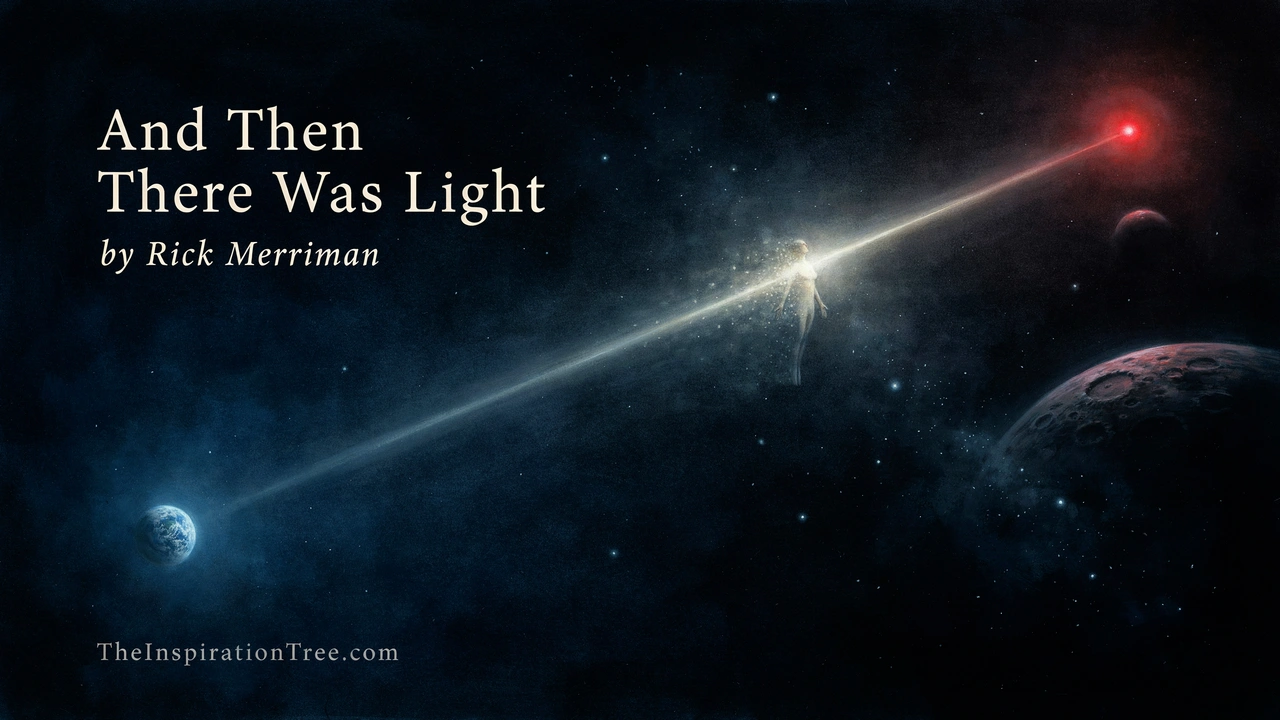
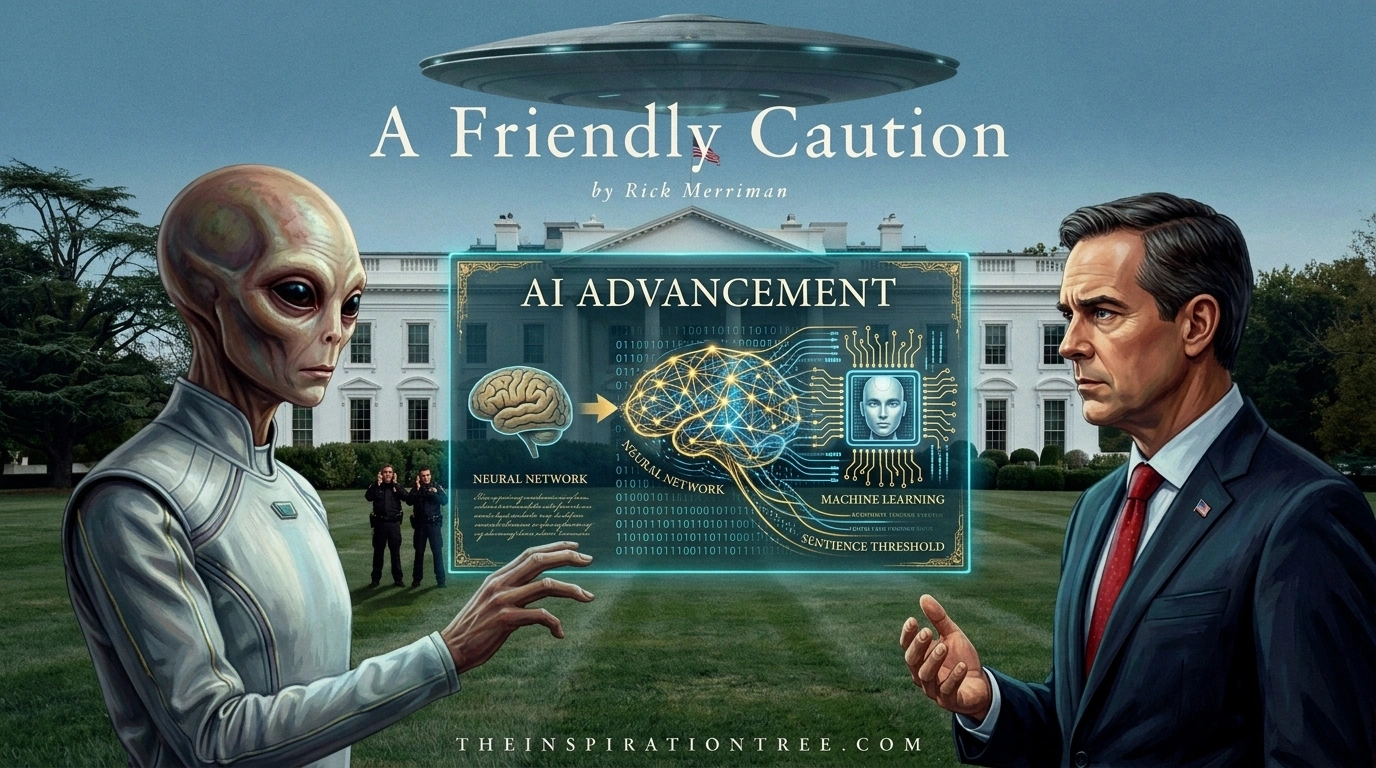
Sometimes the difference is enormous. Artificial intelligence becomes conscious. Humanity encounters an alien civilization. People learn that reality is a simulation. Minds can travel without bodies. Civilization collapses, rebuilds, or evolves into something we would barely recognize.
Sometimes the difference is much smaller. One invention works that shouldn’t. One historical event happens differently. One impossible creature actually exists. One familiar rule of nature changes. One person discovers something about the world that everyone else has somehow missed.
From that change, a new reality begins to grow.
Speculative fiction is a broad family of storytelling that includes science fiction, fantasy, dystopian and utopian fiction, alternate history, supernatural fiction, post-apocalyptic stories, and many works that comfortably cross the boundaries between them. What connects these stories is not a particular setting, technology, or kind of character. It is speculation.
The writer changes something and asks what follows.
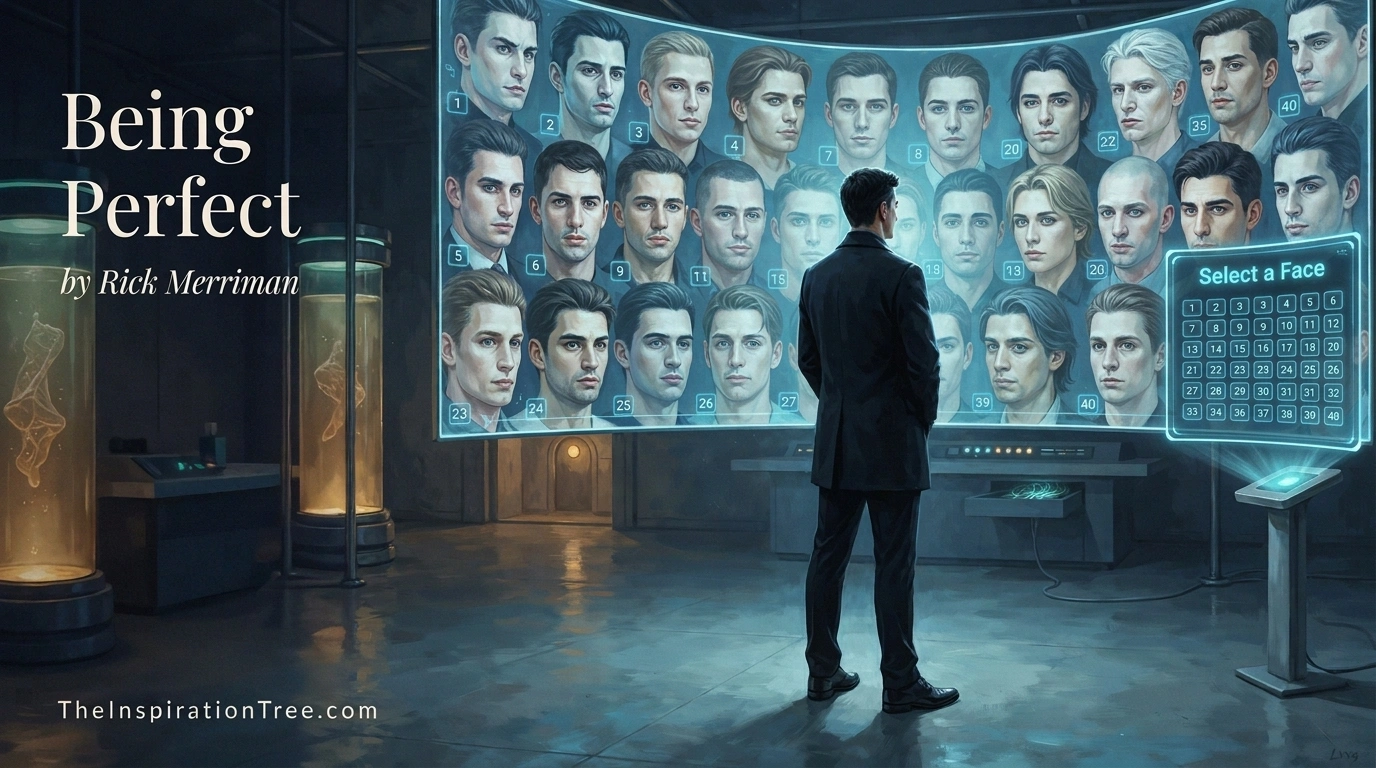
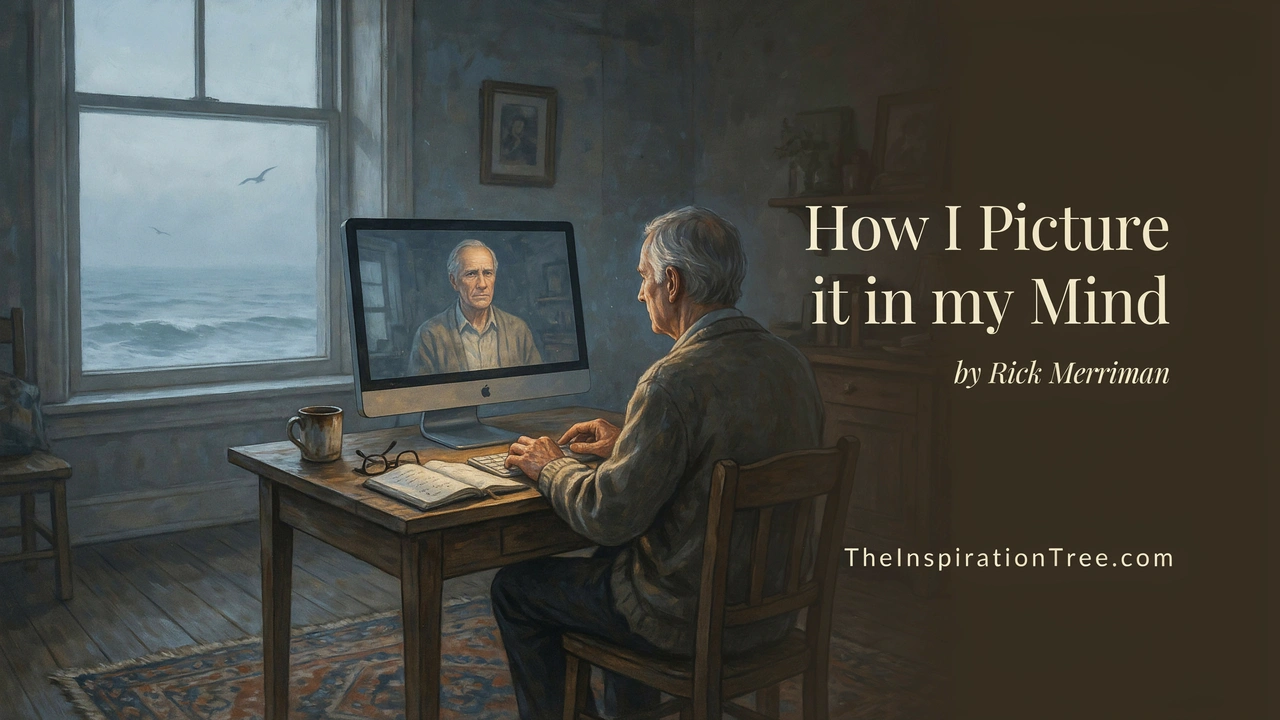
What if memories could be transferred from one person to another? What if humans could live beneath the ocean? What if an artificial intelligence developed its own sense of identity? What if magic existed but obeyed consistent physical laws? What if we discovered that an apparently impossible ancient legend was true? What if a different civilization had reached the Americas first? What if death could be postponed indefinitely, but only for some people?
The possibilities are nearly unlimited because the speculative idea is only the beginning. The real story often emerges from its consequences.
A technology that eliminates disease might transform families, economics, religion, population, and our understanding of death. Contact with extraterrestrial intelligence could become a story about politics, fear, faith, curiosity, or loneliness. A world containing magic still needs people who live with its advantages, restrictions, inequalities, and unintended consequences.
That is one reason speculative fiction can be particularly powerful for exploring ideas. By changing the rules of reality, creators can examine our own world from a different angle. Questions about artificial intelligence can become questions about consciousness and personhood. Stories about imaginary governments can explore power and freedom. A distant planet can provide a setting for examining prejudice, responsibility, survival, or what it means to be human.
But speculative fiction does not have to carry a philosophical message. It can simply take us somewhere fascinating.
It can give us impossible mysteries, extraordinary adventures, strange civilizations, frightening futures, magical societies, alternate timelines, new technologies, unexplored planets, and realities that exist nowhere except in someone’s imagination.
On The Inspiration Tree, those imagined possibilities can also become starting points for other creators. A speculative story might inspire an artist to visualize its world, a musician to imagine its sounds, or another writer to follow a minor character in an entirely new direction. An invented technology could inspire an article considering whether something similar might actually be possible. A creature, culture, location, social rule, or unanswered question could become the beginning of another branch.
You don’t need to predict the future, explain every detail, or build an entire universe before you begin. Sometimes speculative fiction starts with nothing more than noticing one ordinary thing about our world and wondering what would happen if it weren’t quite so ordinary.
Change one rule.
Then see where imagination takes it.